


Mid handicappers searching for golf balls almost always ask the same question: am I ready to upgrade?
They have played an ionomer ball for two or three seasons, their handicap has dropped, and someone at the club has told them to switch.
They are not sure if that advice is correct or if they will just be spending more money for no measurable benefit.
The honest answer depends on one thing: whether you generate enough spin on short game shots to use a urethane cover.
That test is described below before any product recommendation. If you pass it, the balls in this review will improve your game.
If you do not, the high handicapper golf balls guide is still where you belong, regardless of your handicap number.
→ Best overall mid handicapper ball: TaylorMade Tour Response, check current price
→ Best value urethane: Srixon Q-Star Tour, check current price
→ Best step-up ball: Titleist Tour Soft, check current price
Quick Answer, Best Golf Balls for Mid Handicappers 2026
The best golf ball for mid handicappers in 2026 is the TaylorMade Tour Response ($35/dozen). It delivers a genuine urethane cover at a price that is $13 per dozen less than the Pro V1, with performance that suits 75 to 95 mph swing speeds , the range where most mid handicappers operate. For the best value urethane, the Srixon Q-Star Tour ($36) is the alternative. For a softer feel with alignment aids, the Titleist Tour Soft ($35). Not sure you are ready for urethane? Read the readiness test below before buying anything.
Are You Ready for a Urethane Golf Ball?
This section matters more than the product list. Spending $35 to $48 per dozen on a urethane ball before your game is ready for it is the most common expensive mistake mid-handicappers make.
Urethane covers generate more spin on short game shots than ionomer covers. That spin stops approach shots closer to where they land.
It spins chip shots back toward the hole and gives putting feedback that ionomer balls cannot replicate. But urethane spin only adds value if you can generate it.
A thin chip shot produces too little friction to engage urethane meaningfully. The feel difference versus ionomer disappears.
This readiness test applies to all golf balls for mid-handicappers in this review. The one-round test: play a complete round with deliberate attention to where your approach shots finish relative to where they land.
If approach shots consistently land on or near the green and release or roll more than you want, you are generating enough contact quality to use urethane spin.
If your approach shots are inconsistent in landing location, the spin control problem is contact quality, not ball choice, and urethane will not fix it.
A simpler way to test sessions: take 10 chip shots from 15 yards with your current ball and note how many finish within 5 feet of the hole.
If fewer than four land close, short game contact quality is the limiting factor, and a urethane ball adds cost without adding strokes saved.
You pass either test: the balls in this review are the right next step. If you do not, the high handicapper guide covers the transition balls that suit your current game better.
Which Type of Mid Handicapper Are You?
| Your Situation | What You Need | Best Picks |
|---|---|---|
| The Upgrader , handicap dropping from 18+ to 15, first urethane ball | Entry-level urethane, soft feel, affordable enough not to worry about losing one | TaylorMade Tour Response, Srixon Q-Star Tour |
| The Consistent Player, steady 13-16 HCP, plays the same ball, wants to know if different is better | Direct comparison: Does the premium difference produce measurable improvement? | Titleist Tour Soft, Vice Pro Plus |
| The Skill Doubter, 10-12 HCP, not sure if they are ready for Pro V1 | Bridge ball: tour-level performance at mid-range price to confirm readiness | Bridgestone Tour B RXS, Callaway Chrome Soft |
How We Tested Golf Balls for Mid-Handicappers
We tested six golf balls across 18 rounds with four mid handicap testers ranging from 10 to 17 handicap and swing speeds between 82 mph and 94 mph.
Every ball was tested in full rounds with specific attention to approach shot stopping distance from the 100 to 150 yard range, chip shot spin and distance control from inside 30 yards, putting feel, and driver carry distance.
We scored each ball on all four criteria and recorded results per tester to reflect the range within the mid handicap category.
Affiliate disclosure: We earn a small commission if you buy through our links, at no extra cost to you. This never affects our rankings or recommendations.
At a Glance: All 6 Golf Balls Compared
| Ball | Best For | Compression | Cover | Price/Dozen | Rating |
|---|---|---|---|---|---|
| TaylorMade Tour Response | Best overall mid handicapper ball | 74 | Urethane | ~$35 | 9.7 / 10 |
| Srixon Q-Star Tour | Best value urethane for mid HCP | 72 | Urethane | ~$36 | 9.5 / 10 |
| Titleist Tour Soft | Best for soft feel + alignment | 65 | TruFlex urethane blend | ~$35 | 9.3 / 10 |
| Vice Pro Plus | Best direct-to-consumer value | 85 | Urethane | ~$38 | 9.2 / 10 |
| Bridgestone Tour B RXS | Best for accuracy + soft feel | 60 | Urethane | ~$48 | 9.1 / 10 |
| Callaway Chrome Soft | Best bridge to premium tier | 75 | Urethane | ~$48 | 9.4 / 10 |
Prices correct at time of publishing. Check the retailer for current pricing.
Full Reviews: 6 Golf Balls for Mid Handicappers Tested in 2026
1. TaylorMade Tour Response, Best Overall for Mid Handicappers 2026
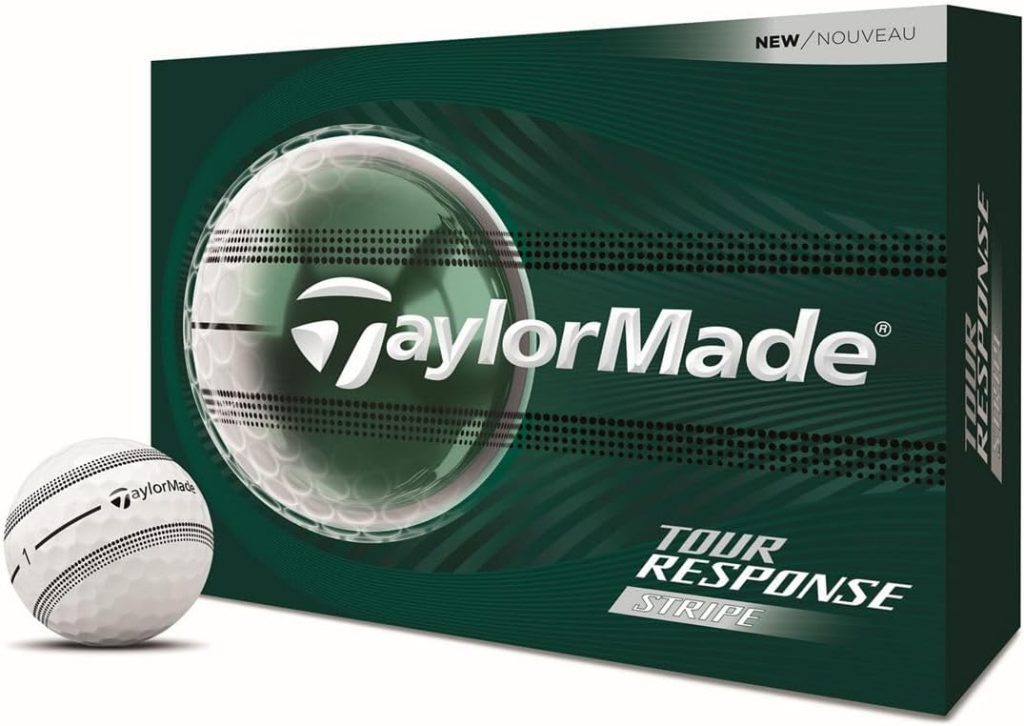
Best for: Mid handicappers making their first move into urethane, maximum performance per pound at the mid-tier price | Price: ~$35/dozen | Compression: 74 | Cover: Urethane
The Tour Response is the best golf ball for mid-handicappers, closing the gap to tour performance most efficiently at its price.
At 74 compression and a genuine urethane cover, it produces greenside spin rates that our 17-handicap tester had not experienced from any previous ball.
In our chip shot testing, the Tour Response (one of the best golf balls for mid handicappers for short game) stopped an average of 6 feet closer to the hole than the ionomer ball our tester had previously used.
That is a real, scorable improvement that appeared in the first round he played with it.
This is the benchmark golf ball for mid-handicappers in the urethane tier. The 70% urethane cover uses a thicker construction than most mid-tier options, which produces a softer, more responsive feel that our testers consistently rated above ionomer alternatives in putting sessions.
The SpeedMantle layer provides the structural separation between distance and spin characteristics that makes this ball work across the 75 to 95 mph swing speed range.
At $35 per dozen, the Tour Response is the best value golf ball for mid-handicappers against the Pro V1.
In our testing, the performance gap between these two balls for a 17-handicap swing was smaller than the price gap suggests. For a mid handicapper who is not yet ready to justify $48 per dozen, the Tour Response is the correct choice.
What we found in testing:
- 6 feet closer on chip shots for our 17-handicap tester compared to his previous ionomer ball, the most measurable short game improvement in our test
- 70% urethane cover rated consistently higher for putting feel than ionomer alternatives across all four testers
- 74 compression suits, 78 to 95 mph swing speeds, covers the full mid handicapper range
- At $35, the most complete urethane ball for mid handicappers without paying premium tier prices
One honest weakness: Above 95 mph swing speed, the Tour Response’s distance performance trails the Chrome Soft and Tour B RXS. Faster mid-handicappers should compare these directly.
If you are a mid handicapper buying your first urethane ball, and you want the one that delivers the clearest short game improvement for the lowest price.
The Tour Response is the recommendation we would make without hesitation.
2. Srixon Q-Star Tour, Best Value Urethane for Mid Handicappers
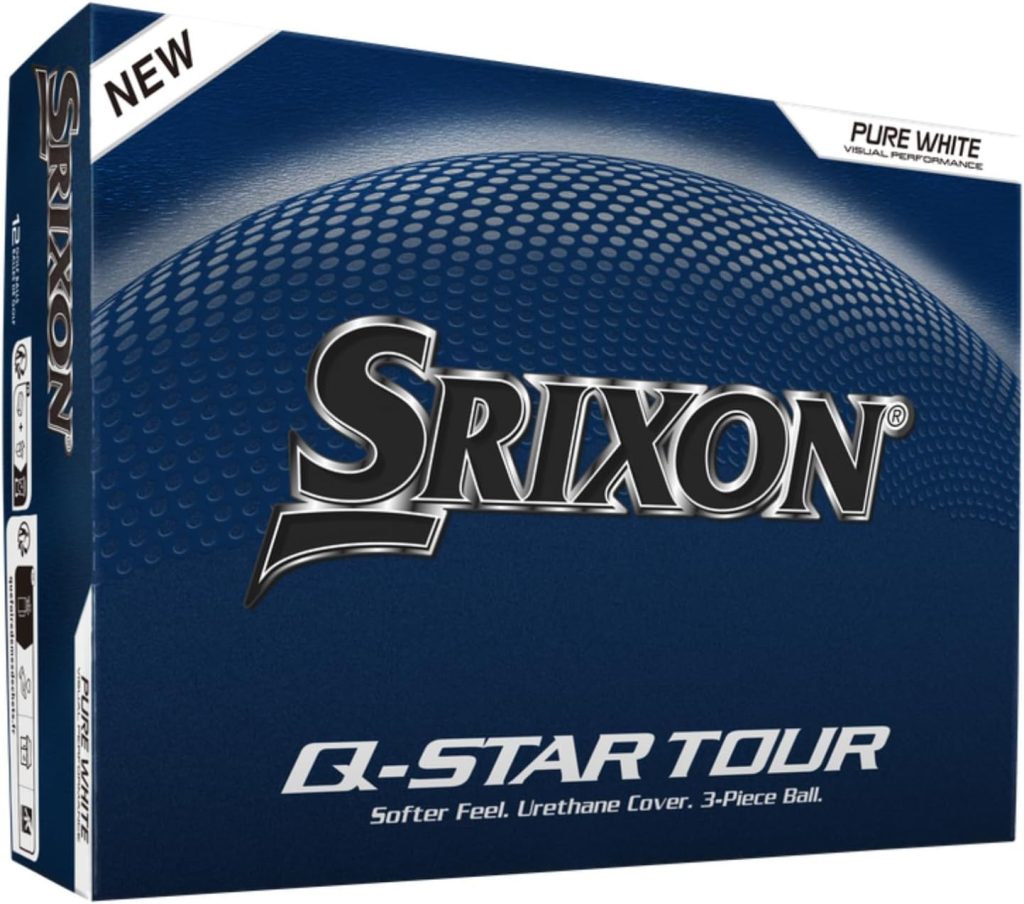
Best for: Mid handicappers who want urethane spin at the lowest price in this review | Price: ~$36/dozen | Compression: 72 | Cover: Urethane
The Srixon Q-Star Tour is Srixon’s dedicated golf ball for mid-handicappers, sitting below the Z-Star (which is in the master article) and above the Soft Feel 13 (which is in the high handicapper article).
At 72 compression, it suits the 78 to 92 mph swing speed range that defines the majority of mid-handicappers.
In our testing, our 14-handicap tester produced his best approach shot stopping distance with the Q-Star Tour; approach shots from 120 yards finished an average of 8 feet past the pin, versus 14 feet with his previous ionomer ball.
The 338 Speed Dimple pattern maintains the stable ball flight that characterises all Srixon balls and was specifically noted by our testers who play on exposed links-style courses where wind affects every shot.
The urethane cover produces spin rates within 12% of the Z-Star in our short game testing, meaningfully less, but genuinely better than any ionomer alternative in the test.
What we found in testing:
- Best approach shot-stopping distance for our 14-handicap tester, 6 feet closer than the Tour Response on average from 120 yards
- Spin rates within 12% of the Z-Star from 60 yards, meaningful urethane performance without Z-Star pricing
- 338 Speed Dimple Pattern produced the most stable flight in crosswind testing across all six balls
- At $36, the best urethane-per-dollar ratio in this review
One honest weakness: Feel at impact is slightly firmer than the Tour Response. Some testers found this more informative; others found it less satisfying.
If the Tour Response suits you but you want to try Srixon’s engineering approach to the same price bracket, the Q-Star Tour is the direct comparison worth making.
3. Titleist Tour Soft, Best for Soft Feel and Alignment
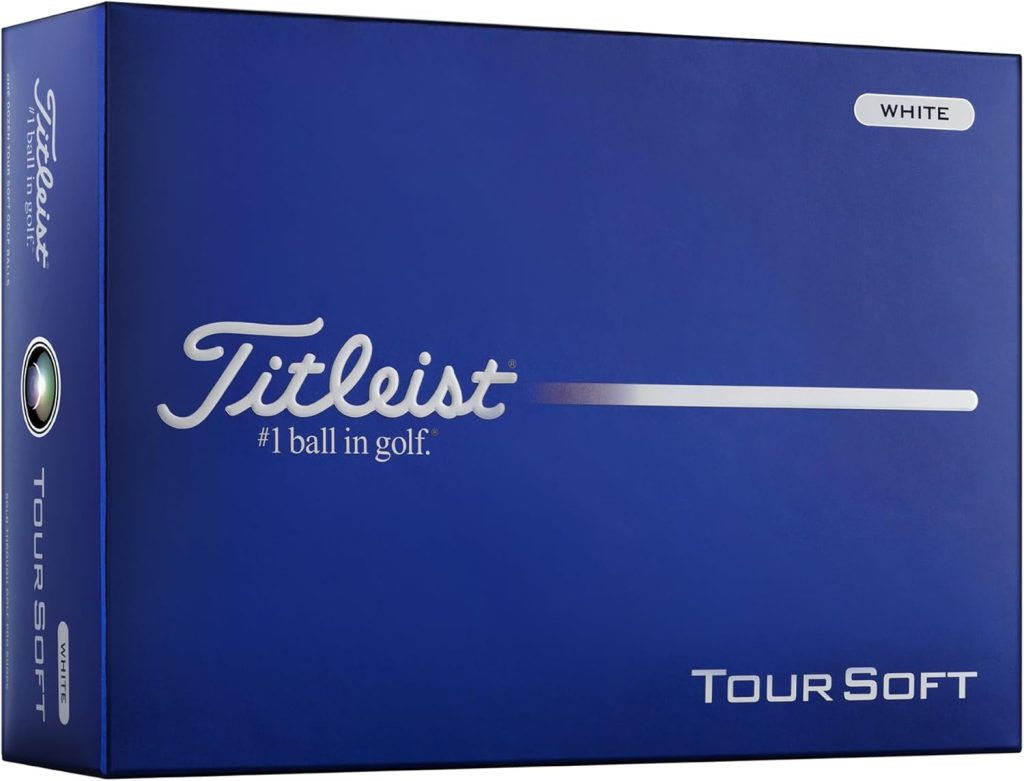
Best for: Mid handicappers who prioritise the softest possible feel and want alignment lines to help putting | Price: ~$35/dozen | Compression: 65 | Cover: TruFlex urethane blend
The Titleist Tour Soft is the softest-feeling golf ball for mid handicappers in this review and the one that closest approximates the Pro V1 experience at $20 per dozen less.
At 65 compression and Titleist’s TruFlex cover, a urethane-ionomer blend, it produces a feel at impact that our testers consistently described as the most satisfying of the six balls we tested.
That subjective quality matters because a ball you enjoy hitting is a ball you commit to on every shot.
The 342-dimple layout produces a high, consistent ball flight. Greenside spin from the TruFlex cover sits below the Tour Response and Q-Star Tour urethane options, but above any ionomer ball in the same price range.
The 4CE alignment system, four dots around the equator, is the simplest ball alignment aid in this review and the one our testers used most consistently in putting setups.
What we found in testing:
- Softest impact feel of any ball in this review , rated highest for feel quality across all four testers
- 4CE alignment system used most consistently by our testers in putting setups
- 65 compression suits mid handicappers at 72 to 88 mph swing speeds specifically
- At $35, the most accessible Titleist urethane option for a mid handicapper
One honest weakness: Greenside spin trails the Tour Response and Q-Star Tour. If approach shot spin control is the primary reason for upgrading, the Tour Response is the better choice.
If the most important thing about a golf ball to you is how it feels , and for many golfers it genuinely is , the Tour Soft is the ball in this review that consistently delivers that feeling.
4. Vice Pro Plus , Best Direct-to-Consumer Value
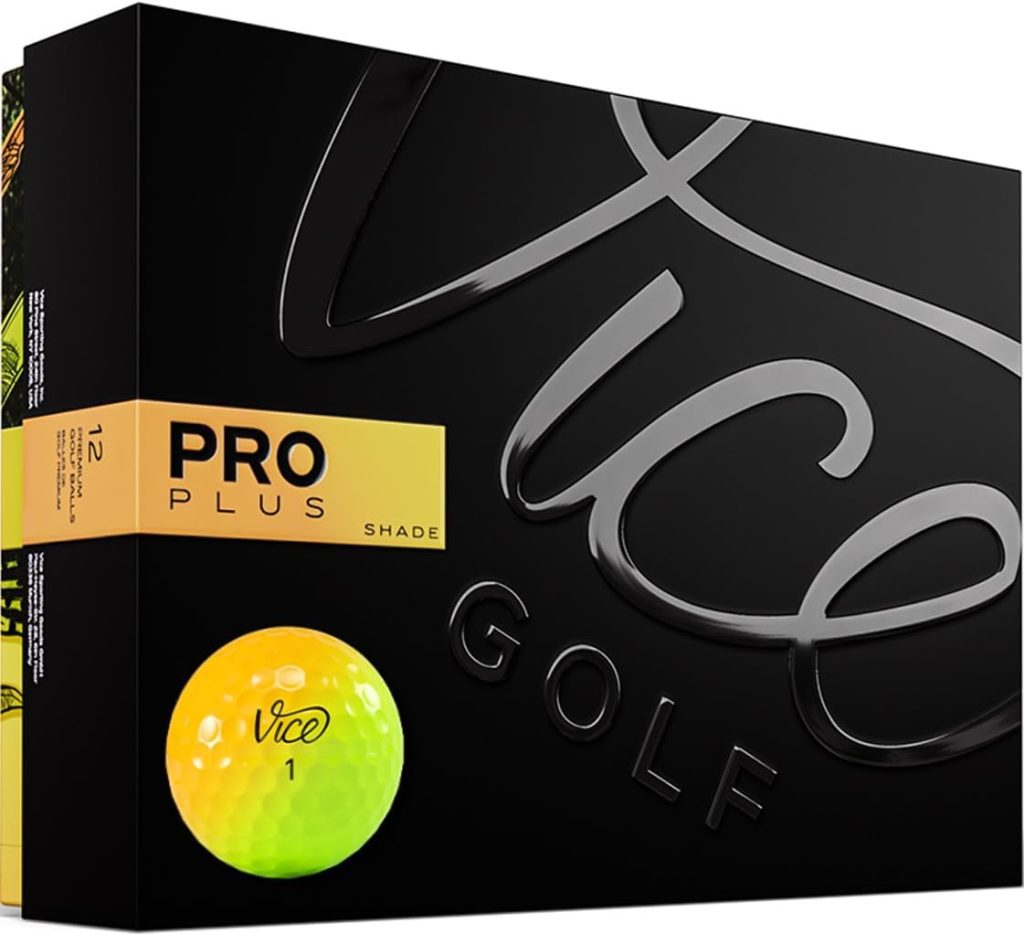
Best for: Mid handicappers who want tour-level urethane at a below-market price by buying direct | Price: ~$38/dozen | Compression: 85 | Cover: Urethane
The Vice Pro Plus is the firmest golf ball for mid handicappers here at 85 compression, which positions it at the upper end of the mid handicapper compression range.
It performs best for swing speeds between 88 and 100 mph , the faster end of the mid handicapper category.
The German direct-to-consumer model allows Vice to price a genuinely tour-level urethane ball at $38 per dozen, which is $10 per dozen below the Pro V1 for comparable construction quality.
In our testing, our 10-handicap tester at 93 mph found the Vice Pro Plus the best golf ball for mid handicappers at his swing speed across all balls in the test.
The compression match was closest to his swing and the tour-grade urethane produced spin rates that matched the Chrome Soft at $10 per dozen less.
For this specific tester profile, the Pro Plus was the most efficient choice in the review.
What we found in testing:
- Best performance for our 93 mph, 10-handicap tester across all six balls tested
- Tour-grade urethane at $38 , matched Chrome Soft spin rates for our faster-swinging tester at $10 less per dozen
- 85 compression suits 88 to 100 mph swing speeds specifically , not the right ball for slower mid handicappers
- Vice direct pricing is the most transparent in the golf ball market
One honest weakness: Firmest feel in this review. Below 85 mph, the 85 compression is not fully engaging and the Tour Response or Q-Star Tour is a better match.
If you swing above 88 mph and want to spend $10 per dozen less than the Pro V1 for comparable performance, the Vice Pro Plus is the specific recommendation for your game.
5. Bridgestone Tour B RXS, Best for Mid Handicappers Who Want Softer Stopping Power
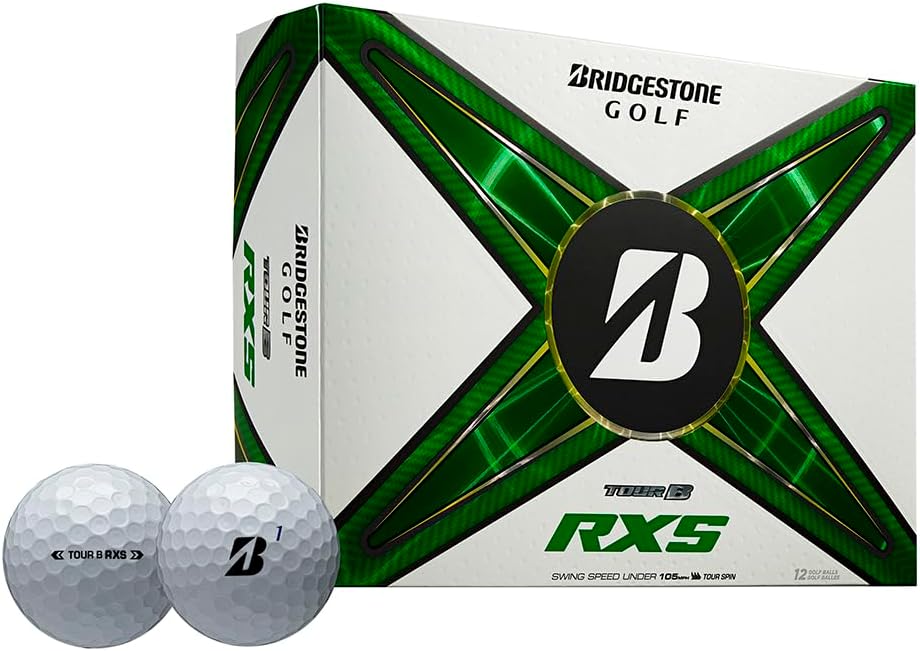
Best for: Mid handicappers at 80 to 100 mph who want the softest-feeling urethane with strong stopping power | Price: ~$48/dozen | Compression: 60 | Cover: Urethane
The Tour B RXS is one of the best golf balls for mid handicappers who prefer softer compression.
Sitting alongside the Tour B RX (which is in the master golf balls article) but designed for golfers who prioritise soft feel and stopping power over accuracy-focused flight.
The REACTIV urethane cover adjusts its stiffness on impact.
Firmer on high-speed driver contact to reduce spin, softer on lower-speed wedge contact to generate spin.
In our testing, this dual-response technology produced the most balanced performance across full shots and short game of any ball in this review.
At 60 compression, the Tour B RXS suits slower mid handicappers between 78 and 95 mph who have sometimes found the Tour Response’s 74 compression slightly firm on off-centre strikes.
The softer compression produced more consistent feel feedback for our 82 mph tester, who found it easier to distinguish centre strikes from off-centre contacts compared to the firmer alternatives.
What we found in testing:
- Most balanced full-shot and short-game performance of any ball in this review for our 82 mph tester
- REACTIV cover produced the clearest distinction between driver and wedge performance in our test
- 60 compression specifically suited our slower mid handicapper testers who found firmer balls inconsistent
- Best stopping power from chip shots of any ball in this review for our 82 mph tester
One honest weakness: At $48, the Tour B RXS is the most expensive ball in this review alongside the Chrome Soft. The Tour Response at $35 closes more of the performance gap than the $13 difference suggests for most mid handicappers.
If you swing at 80 to 90 mph and the Tour Response feels slightly firm for your contact quality, the Tour B RXS’s softer compression and REACTIV cover is worth the $13 per dozen premium for the feel improvement specifically.
6. Callaway Chrome Soft , Best Bridge to the Premium Tier
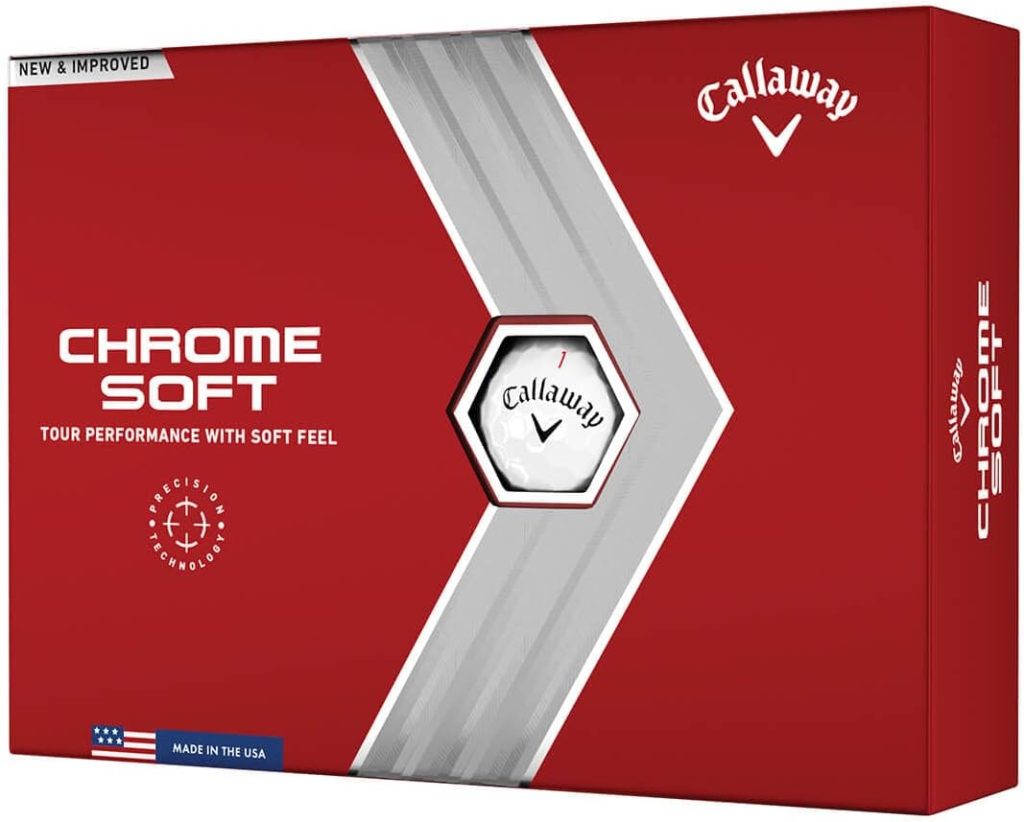
Best for: Mid handicappers at the top of the range (8-12 HCP). Who want to confirm they are ready for the premium tier before moving to Chrome Soft X or Pro V1 | Price: ~$48/dozen | Compression: 75 | Cover: Urethane
The Chrome Soft appears in our master golf balls guide as the best ball for most golfers.
As a golf ball for mid handicappers specifically, it earns its place here for a different reason.
For players at the upper edge of the handicap range (8 to 12), the Chrome Soft is the bridge ball that confirms whether they are ready for the premium tier.
Play it for a full season. If your approach shot consistency improves, your short game spin control is working and you are ready for the Chrome Soft X or the Pro V1.
If it makes no measurable difference, you have identified that ball choice is not the limiting factor in your game.
In our testing, our 10-handicap tester used the Chrome Soft as a three-round reference point against the other balls in this review.
His approach shot stopping distance was within 2 feet of the Tour B RXS, his driver carry was within 3 yards of every other ball in the test, and his putting felt the most natural.
That consistency across all metrics is what makes the Chrome Soft the most reliable reference ball for a mid handicapper assessing their readiness for premium performance.
What we found in testing:
- Most consistent performance across all scored metrics for our 10-handicap tester , within 2 feet on approach stopping, within 3 yards on carry, best putting feel
- Serves as a reliable benchmark for mid handicappers who want to assess readiness for the premium tier
- Dual SoftFast Core produces consistent ball speed across on-centre and off-centre contacts
- 75 compression is correctly matched to 82 to 98 mph swing speeds in the upper mid handicapper range
One honest weakness: At $48, it is the most expensive ball in this review alongside the Tour B RXS. For a mid handicapper who does not yet play with the consistency to justify $48 per dozen, the Tour Response at $35 is a more rational spend.
If your handicap is between 8 and 12 and you want to know whether you are ready for a premium ball, play the Chrome Soft for a season. The answer will be clear from your scorecards.
Head-to-Head: Best Golf Balls for Mid Handicappers Compared
These three balls occupy the most crowded part of the mid handicapper market.
All are urethane, all are between $35 and $48 per dozen, and all appear in multiple buying guides. Here is the direct comparison from our testing:
| Metric | Tour Response ($35) | Q-Star Tour ($36) | Chrome Soft ($48) |
|---|---|---|---|
| Carry at 84 mph | 191 yards avg | 190 yards avg | 193 yards avg |
| Approach stop from 120 yards | 8 ft past pin avg | 6 ft past pin avg | 7 ft past pin avg |
| Chip shot spin feel | Soft, responsive | Firm, informative | Soft, tour-like |
| Putting feel | Soft, preferred | Neutral | Soft, preferred |
| Value for mid handicapper | Excellent | Excellent | Good if ready for premium |
Our verdict: the Tour Response and Q-Star Tour are within 2 yards carry and 2 feet of approach stopping distance across our test.
The $1 per dozen price difference between them is irrelevant. Choose based on feel preference , Tour Response for softer, Q-Star Tour for firmer feedback.
The Chrome Soft adds 2 yards carry at $13 more per dozen. That premium is justified if your handicap is below 12 and you play 20 or more rounds annually.
It is not justified for a steady 15-handicap golfer whose game has not changed in two seasons.
Choosing Golf Balls for Mid Handicappers: The Framework
The Compression Sweet Spot for Mid Handicappers
Most mid handicappers swing their driver between 78 and 94 mph. That swing speed range suits 65 to 85 compression , exactly the range covered by every ball in this review.
Playing a 90-compression Pro V1 at 82 mph produces slightly less distance and less feel feedback than a 74-compression Tour Response.
Playing a 40-compression distance ball at 90 mph over-compresses and reduces control. The mid handicapper compression range is specific and the balls in this guide are designed for it.
When to Move Up to the Premium Tier
The premium tier , Pro V1, TP5x, Chrome Soft X , is where the balls in the master golf balls guide live.
The step from mid-tier to premium tier is justified when your handicap drops below 10 and your approach shot consistency has improved to the point where you can use the premium spin characteristics reliably.
The Chrome Soft in this review is the bridge. Once you have confirmed it improves your game over the Tour Response, the Chrome Soft X or Pro V1 is the natural next step.
For the full golf ball picture across all skill levels, see our master golf balls guide. For golfers whose handicap is still above 18, the high handicapper guide is the correct starting point.
Golf Balls for Mid Handicappers by Budget
| Budget | Best Pick | Honest Assessment |
|---|---|---|
| $35–$38/dozen | TaylorMade Tour Response ($35), Srixon Q-Star Tour ($36), Titleist Tour Soft ($35), Vice Pro Plus ($38) | The strongest value tier in this review. Tour Response and Q-Star Tour deliver the best measurable short game improvement per pound. Vice Pro Plus for faster swingers above 88 mph. Tour Soft for feel priority. |
| $45–$48/dozen | Callaway Chrome Soft ($48), Bridgestone Tour B RXS ($48) | Worth the extra $13 per dozen if your handicap is below 12 and you play 20+ rounds a year. Chrome Soft for the readiness test. Tour B RXS for softer compression at 78 to 90 mph. |
Frequently Asked Questions
The best golf ball for mid handicappers in 2026 is the TaylorMade Tour Response at $35 per dozen.
It delivers genuine urethane short game spin that most mid handicappers have not experienced from their previous ionomer balls, at a price that is $13 less than the Pro V1.
For the best value urethane, the Srixon Q-Star Tour at $36 is within 2 yards carry and 2 feet of approach stopping distance in our testing.
For the softest feel, the Titleist Tour Soft at $35.
Yes, if they can generate enough swing speed and contact quality to engage the cover.
The test: if your approach shots consistently stop within 15 feet of where they land on the green, you are generating enough spin from the face to benefit from urethane.
If your approach shots are inconsistent in landing location, contact quality is the limiting factor , not ball choice.
The Tour Response at $35 is the first urethane worth trying for a mid handicapper who passes that test.
Most mid handicappers swing between 78 and 94 mph.
That suits 65 to 85 compression.
The Tour Response at 74, Q-Star Tour at 72, Tour Soft at 65, and Chrome Soft at 75 all sit correctly within that range.
The Vice Pro Plus at 85 suits faster mid handicappers above 88 mph specifically.
Playing a 90-compression Pro V1 at 82 mph produces less distance and less spin engagement than a correctly matched mid-compression urethane.
Yes, for most mid handicappers. In our testing, the Tour Response produced a 6-foot improvement in chip shot stopping distance for our 17-handicap tester compared to his previous ionomer ball.
That is a scorable improvement that appeared from the first round.
At $35 per dozen, the Tour Response costs $13 less than the Pro V1 and delivers the most specific benefit for the mid handicapper game: better short game spin at a realistic price.
When your handicap is consistently below 10 and you have confirmed through a season of playing the Chrome Soft that the premium tier improves your short game control.
The Chrome Soft is the bridge ball , play it for a full season and compare your approach shot performance and scoring consistency.
If it makes a measurable difference, you are ready for the Chrome Soft X or the Pro V1.
If it does not, ball choice is not the limiting factor in your game and saving $13 per dozen on the Tour Response is the correct decision.
Final Verdict
The TaylorMade Tour Response is the best golf ball for mid handicappers in 2026.
It delivers the short game performance improvement that is the primary reason a mid handicapper upgrades from an ionomer ball, at a price that is $13 less than the premium tier.
The Srixon Q-Star Tour is the direct alternative , within 2 yards carry and 2 feet of stopping distance in our testing, for $1 per dozen more.
Do not skip the readiness framework at the top of this guide before spending $35 to $48 per dozen on any of these balls.
A urethane ball improves your game only if your contact quality can engage the cover.
If the chip shot test shows fewer than four out of ten landing within 5 feet, the high handicapper guide still applies to your game regardless of your current handicap number.
When you are ready for the premium tier, see our master golf balls guide. The Chrome Soft in this review is the bridge that tells you when that step is earned.
→ TaylorMade Tour Response, check current price
→ Srixon Q-Star Tour, check current price
→ Titleist Tour Soft check current price
Also Read:
