






Disclaimer:
This website participates in the Amazon Services LLC Associates Program, an affiliate advertising program designed to provide a means for sites to earn advertising fees by advertising and linking to Amazon.com. As an Amazon Associate, we earn from qualifying purchases made through the links provided on this website. This does not affect the price you pay for products.
We only recommend products we genuinely believe will benefit our audience. Our opinions are our own, and we are not influenced by the companies we affiliate with.
If there’s one thing new golfers learn quickly, it’s this: smashing long drives feels exciting but putting is where your score lives or dies.
You can hit the ball 250 yards and still walk off with a bogey because the last 10 feet are where everything happens.
And that’s why choosing your first putter matters.
A good beginner putter won’t magically make you a Tour-level golfer, but it will give you forgiveness, a clean alignment structure, and enough stability to help you build confidence early.
The wrong putter, on the other hand, can make you second-guess your stroke, lose your feel, and create habits that take years to unlearn.
Over the last few months, I’ve spent time testing a mix of beginner-friendly putters mallets, face-balanced models, high-MOI heads, and a few with unique alignment systems to see which ones genuinely help new golfers build a strong putting foundation.
This guide focuses on real performance, ease of use, forgiveness, and overall value for a beginner.
Let’s jump in.
Why Your First Putter Matters More Than You Think
When you’re just getting started in golf, it’s easy to obsess over drivers and irons. They’re bigger, flashier, and honestly more fun to practice.
But putting makes up roughly 40% of all strokes in a typical beginner’s round.
If you shoot between 100–110, that usually means:
➤ 40–45 putts per round
That’s nearly half your score.
And unlike full swings, where speed and strength sometimes mask technique, putting demands:
- smooth tempo
- repeatable contact
- proper alignment
- distance control
- confidence
Beginners tend to struggle with:
- inconsistent contact
- misalignment
- poor distance control
- lack of confidence
A good putter directly addresses these issues.
What makes this especially encouraging:
Beginners haven’t formed bad putting habits yet.
They’re starting fresh, with a clean slate—so the right putter accelerates progress dramatically.
Now that you know why your putter matters more than most people think, let’s break down the 7 best beginner-friendly models available today.
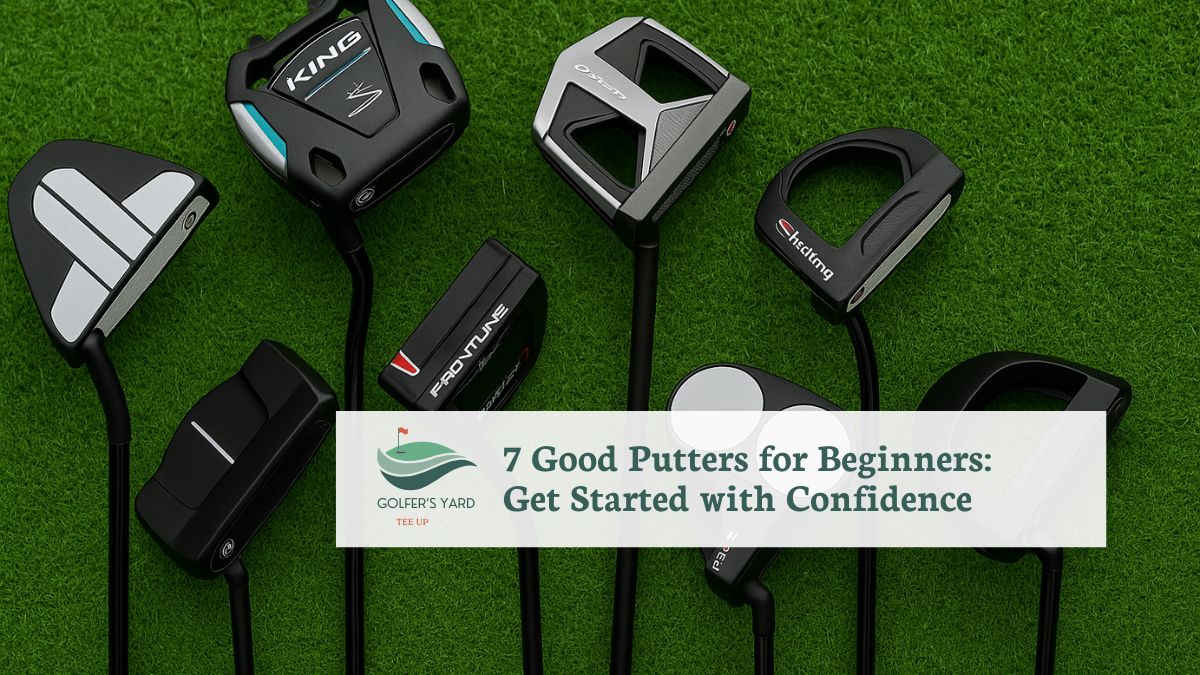
List of 7 Good Putters for Beginners
- Cobra King 3D Agera Putter
- Odyssey Ai-One Square 2 Square Jailbird Cruiser Putter
- TaylorMade Spider GT Notchback Putter
- Cleveland Frontline Elite RHO Putter
- Seemore Mini Giant HTX Putter
- Odyssey Eleven 2-ball Tour Lined S Red Stroke Lab PSTL Putter
- Ping Fetch Putter
Detailed Review of 7 Good Putters for Beginners
1. Cobra King 3D Agera Putter — High-Tech Stability for Beginners

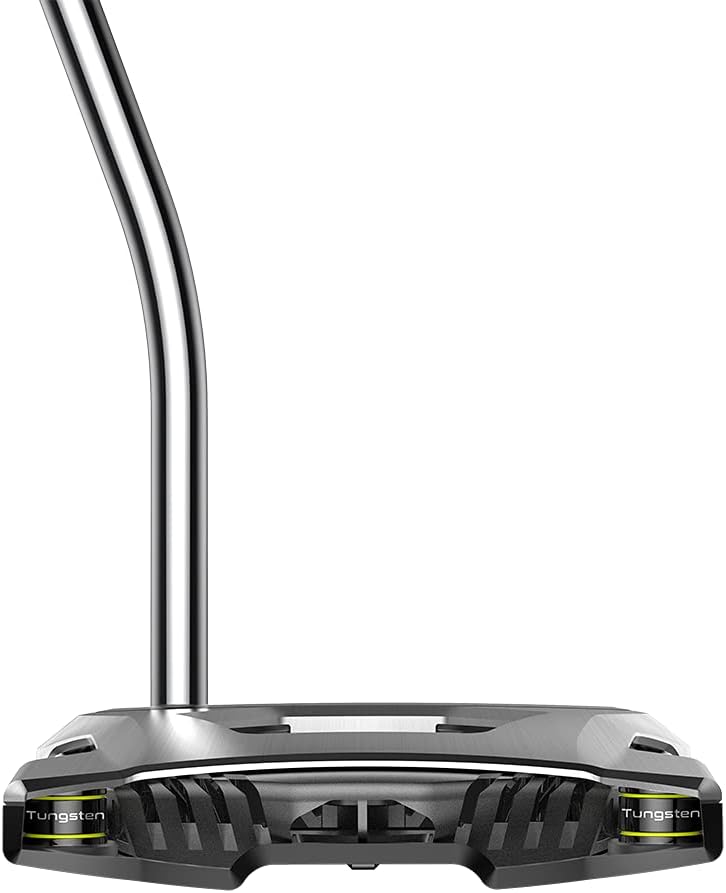
The Cobra King 3D Agera is one of the most forgiving mallet good putters for beginners. Even my mishits rolled with impressive consistency. The face feels stable, the alignment is straightforward, and the roll quality is extremely predictable.
A major reason for this performance is Cobra’s collaboration with SIK Golf, the brand behind Descending Loft Technology (DLT). This means the putter face has different lofts across its surface, helping beginners achieve a consistent launch angle—even when their stroke rises or falls at impact.
If you tend to have inconsistent contact (most beginners do), the Agera quietly helps you look better than you really are in the early months.
| Pros | Cons |
|---|---|
|
|
2. Odyssey Ai-One Square 2 Square Jailbird Cruiser — Best Overall for Beginners

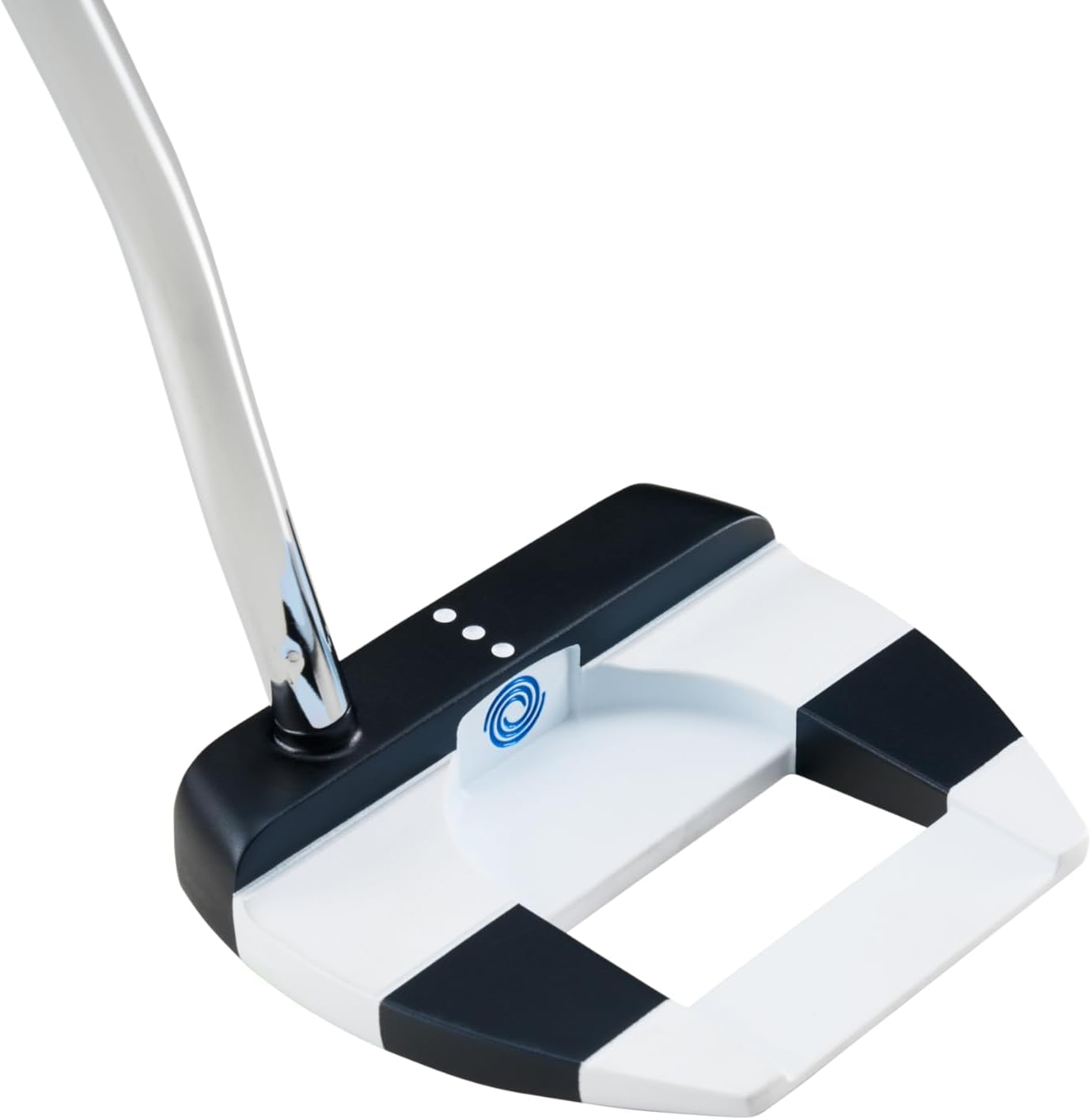
If someone asked me for a good putters for beginners pick for a complete beginner, the Odyssey Ai-One Square 2 Square Jailbird Cruiser would be at the top of the list. The head looks confidence-inspiring, and it instantly feels like the putter wants to swing straight back and straight through.
The real secret is the Versa alignment and the heavier, counterbalanced setup. The bold contrast lines and alignment dots do a lot of the aiming work for you, which is exactly what most new golfers struggle with. Even when contact isn’t perfect, the variable face thickness keeps the ball rolling with very similar speed.
For a beginner who wants help lining up, help stabilizing the stroke, and help keeping ball speed consistent, the Jailbird Cruiser is about as beginner-friendly as a premium putter gets.
| Pros | Cons |
|---|---|
|
|
3. TaylorMade Spider GT Notchback — Great for Alignment & Distance Control

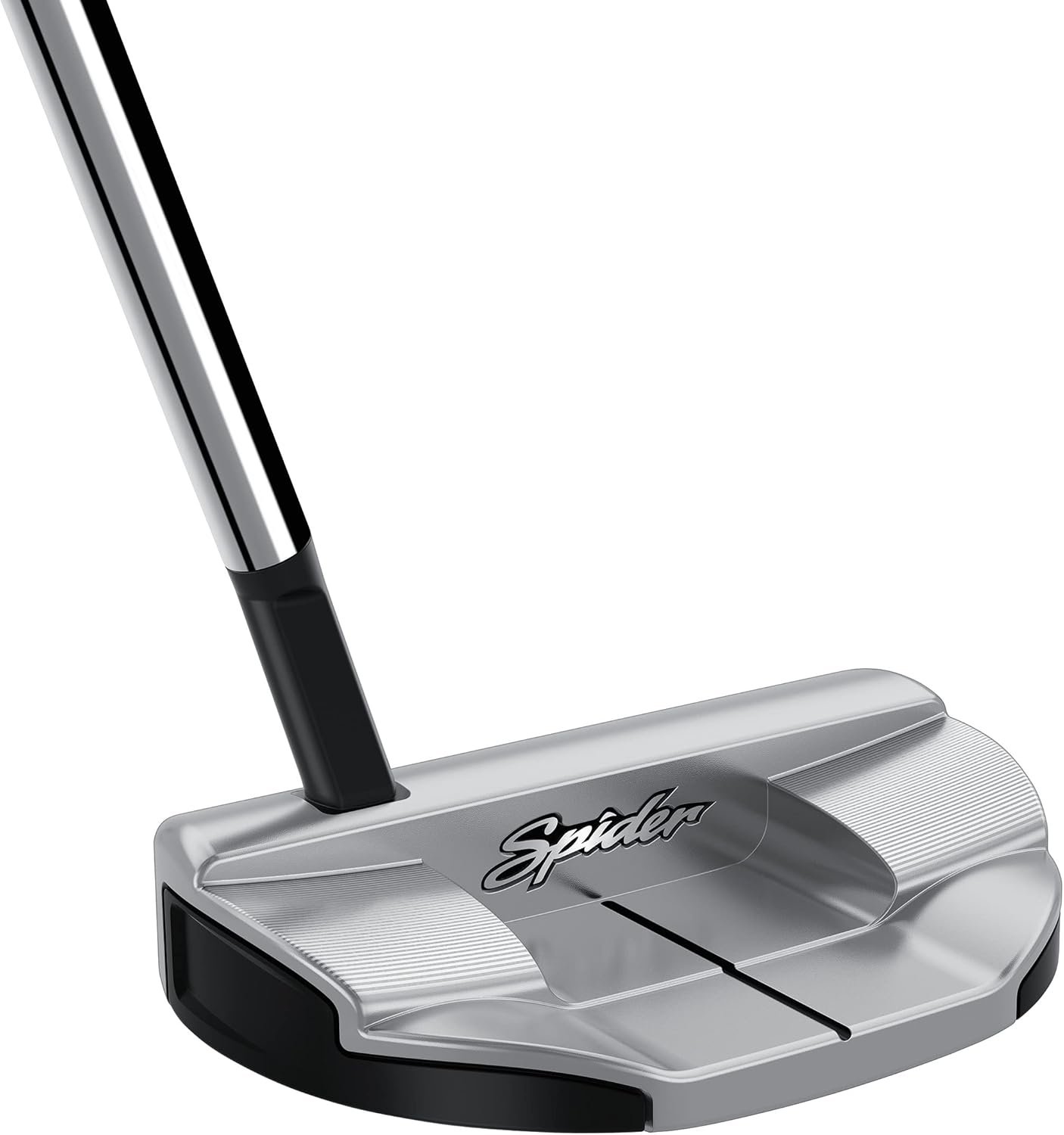
The TaylorMade Spider GT Notchback carries on the Spider tradition of making putting feel less scary for new golfers. The head sits square behind the ball, and the Pure Roll insert gives you one of the smoothest, most predictable rolls in this price range.
What I like most for beginners is how stable the head feels when you don’t catch the middle of the face. Slight mishits still track toward the hole instead of wobbling offline. The alignment line is simple and clean, and you don’t have to overthink your setup.
If you want a forgiving mallet that looks modern, feels premium, and doesn’t completely blow the budget, the Spider GT Notchback is a very easy recommendation.
| Pros | Cons |
|---|---|
|
|
4. Cleveland Frontline Elite RHO — Affordable High-Tech Forgiveness

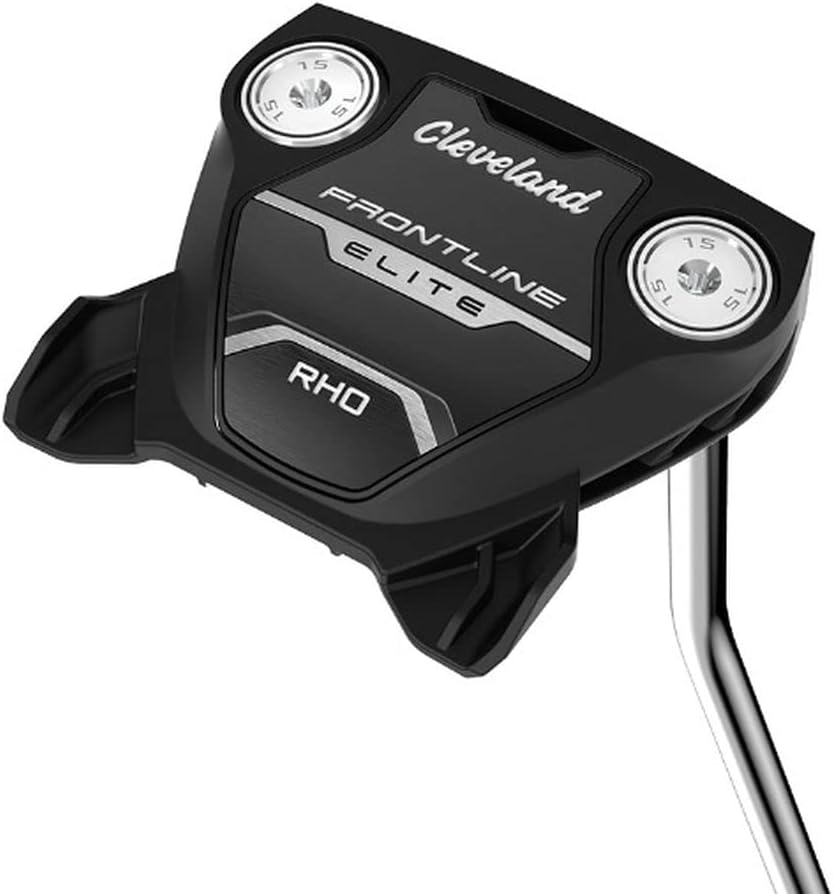
The Cleveland Frontline Elite RHO is one of those good putters for beginners that quietly overdelivers for the price. It has a modern mallet shape, tungsten weighting pushed out toward the edges, and a very forgiving feel through impact.
For beginners who tend to twist the face or lose the putter head at impact, the Frontline Elite RHO does a lot of stabilizing work in the background. The alignment visuals are simple, the head wants to sit down properly, and off-center hits still roll with enough pace to get to the hole.
If you’re trying to balance budget with performance and you don’t want your first putter to feel “cheap,” this is an excellent bridge between entry-level and true premium gear.
| Pros | Cons |
|---|---|
|
|
5. SeeMore Mini Giant HTX — Best Alignment for Beginners

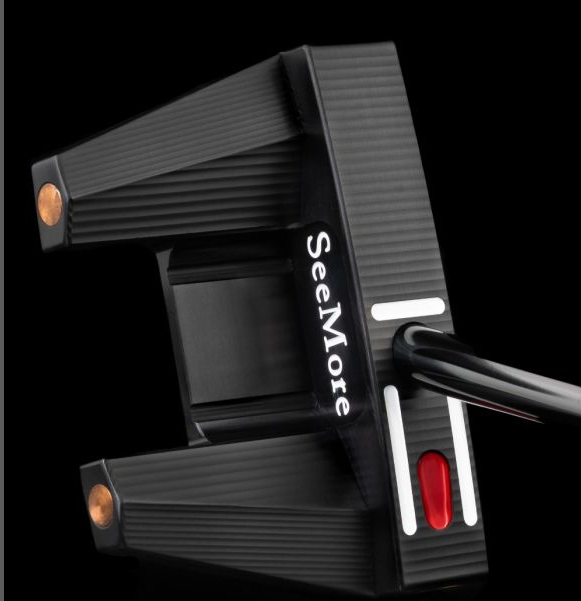
The SeeMore Mini Giant HTX is the definition of “hidden gem” in the putter world. It doesn’t have the same mainstream recognition as some big brands, but the combination of a milled face, solid construction, and SeeMore’s RifleScope alignment system makes it incredibly friendly for beginners.
The putter almost teaches you where your hands and eyes should be at address. When everything lines up correctly, the sight lines disappear, giving you instant feedback on whether you’re set up the same way every time.
If alignment has always felt like guesswork, this putter removes a lot of that uncertainty and lets you focus on making a smooth, confident stroke.
| Pros | Cons |
|---|---|
|
|
6. Odyssey Eleven 2-Ball Tour Lined — Smooth Roll & Confidence for Beginners

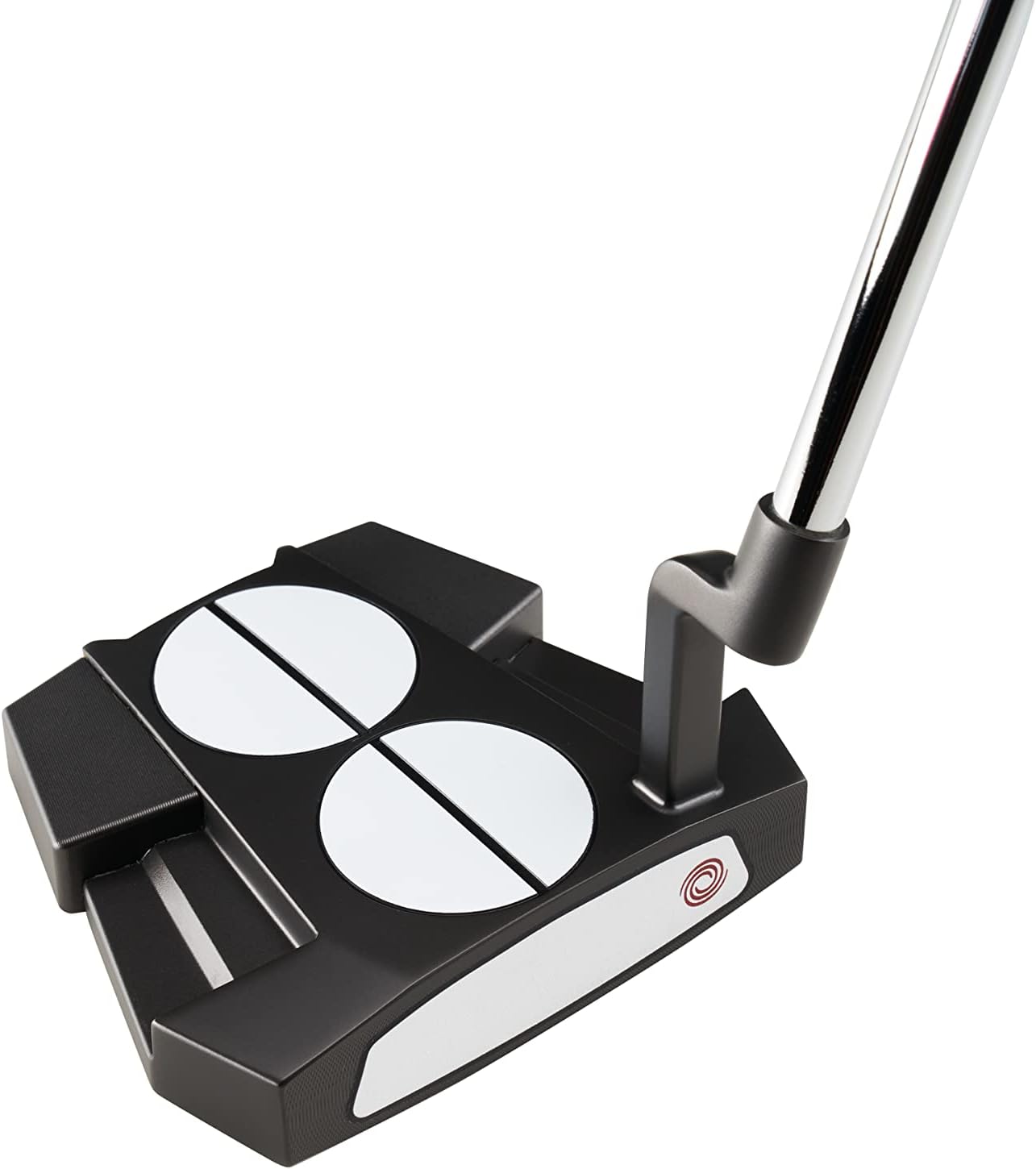
The Odyssey Eleven 2-Ball Tour Lined is a forgiving compact mallet thats a good putters for beginners who want stability without feeling like they’re swinging a giant spaceship. The 2-ball alignment makes aiming almost automatic, which is a huge deal when you’re still figuring out your setup.
On the course, the putter feels solid without being harsh. Mishits still roll toward your target, and the face gives enough feedback that you can tell when you struck it a little off, without punishing you too much.
If you like the idea of a classic 2-ball but want a more modern, tour-inspired shape with strong forgiveness, the Eleven is a great fit.
| Pros | Cons |
|---|---|
|
|
7. Ping Fetch Putter — The Most Beginner-Friendly Putter Ping Makes

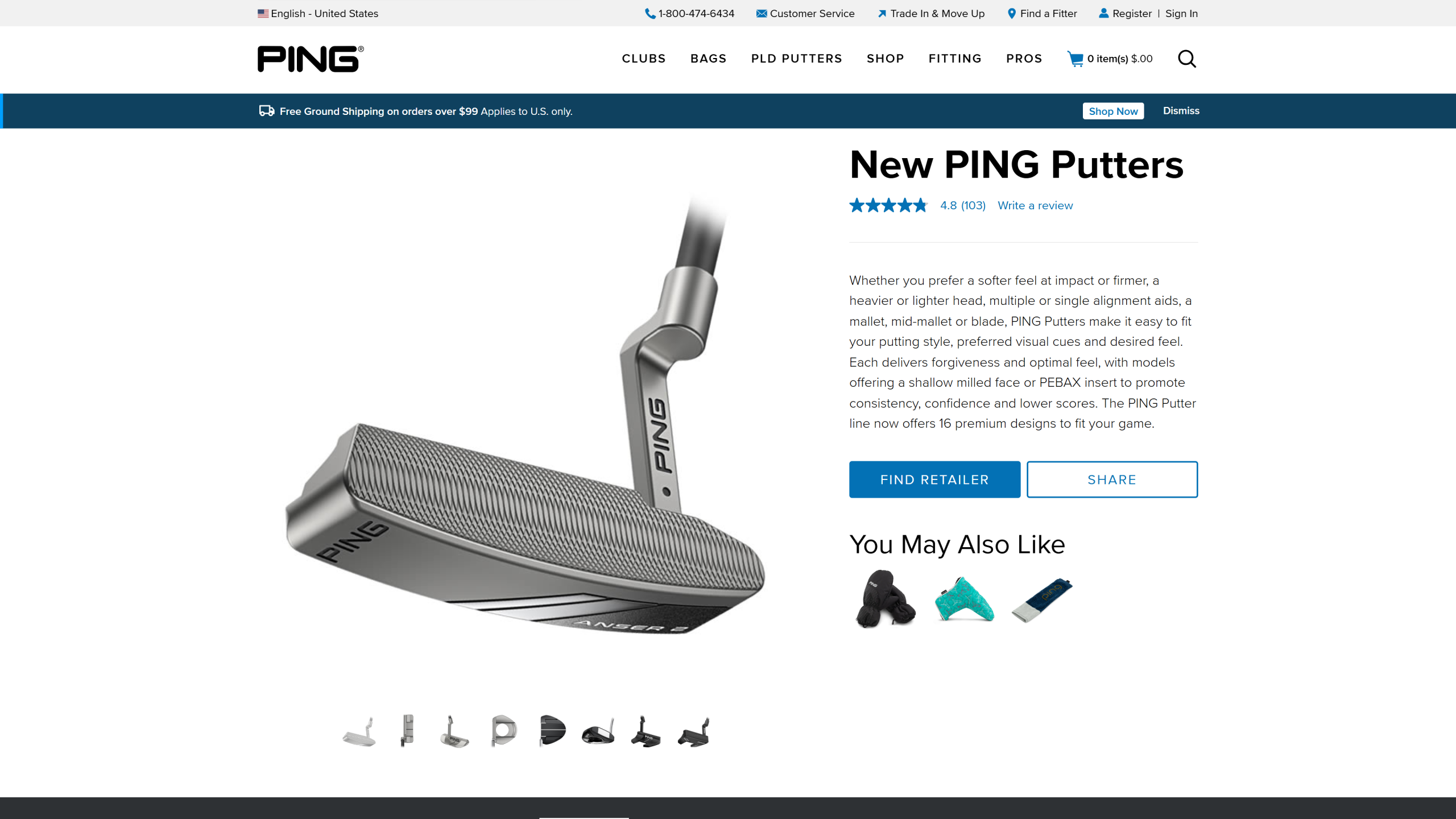
The Ping Fetch is one of the most beginner-friendly good putters for beginners putters Ping makes. The head shape is forgiving without looking huge, and the perimeter weighting gives it a high MOI that keeps the face stable on off-center strikes.
I like how the aluminum sole plate and stainless-steel body combine to give a soft but responsive feel. It makes it easier for new golfers to learn touch on long putts while still feeling solid on shorter, must-make putts inside ten feet.
The built-in ball-retrieving hole is a fun extra, but the real value is in how confidently it sits behind the ball and how easy it is to roll putts on line.
| Pros | Cons |
|---|---|
|
|
Frequently Asked Questions (FAQs)
Odyssey putters tend to dominate the Tour scene, but that doesn’t mean every beginner should automatically choose one. Tour players often prefer designs that match their perfected strokes. Beginners need forgiveness first.
Generally, yes. Mallet putters distribute weight around the perimeter, increasing stability on mishits. That’s why most beginners benefit from them.
Most beginners putt better with a mallet due to forgiveness and alignment help. However, there’s no absolute rule—comfort matters most.
Not necessarily. Expensive putters often have better materials, customization, and feel, but several budget options offer plenty of forgiveness and stability.
Final Thoughts
Your first putter is one of the most important choices you make in your early golfing journey. A forgiving, stable, easy-to-align putter can shave strokes off your game faster than a new driver or set of irons.
For absolute beginners, the Odyssey Ai-One Jailbird Cruiser offers the best blend of forgiveness and alignment help.
If you prefer something more budget-friendly but still highly forgiving, the Cleveland Frontline Elite RHO is an excellent choice.
And for golfers who value alignment above everything else, the SeeMore Mini Giant HTX stands alone.
Choose the one that matches your comfort and confidence and your putting will start improving immediately.
Also Read: